Some beliefs don’t behave like opinions. They behave like load-bearing walls.
Not because you’re stubborn, but because you were taught that if this wall moves, everything above it might collapse.
Some beliefs don’t behave like opinions. They behave like load-bearing walls.
Not because you’re stubborn, but because you were taught that if this wall moves, everything above it might collapse.
You can usually tell the difference by how your body reacts when someone asks you to reconsider them. Opinions can be revisited with curiosity. Load-bearing beliefs trigger something deeper: a tight chest, faster speech, a reflex to defend or shut the conversation down. Not because you’re stubborn, but because you were taught that if this wall moves, everything above it might collapse.
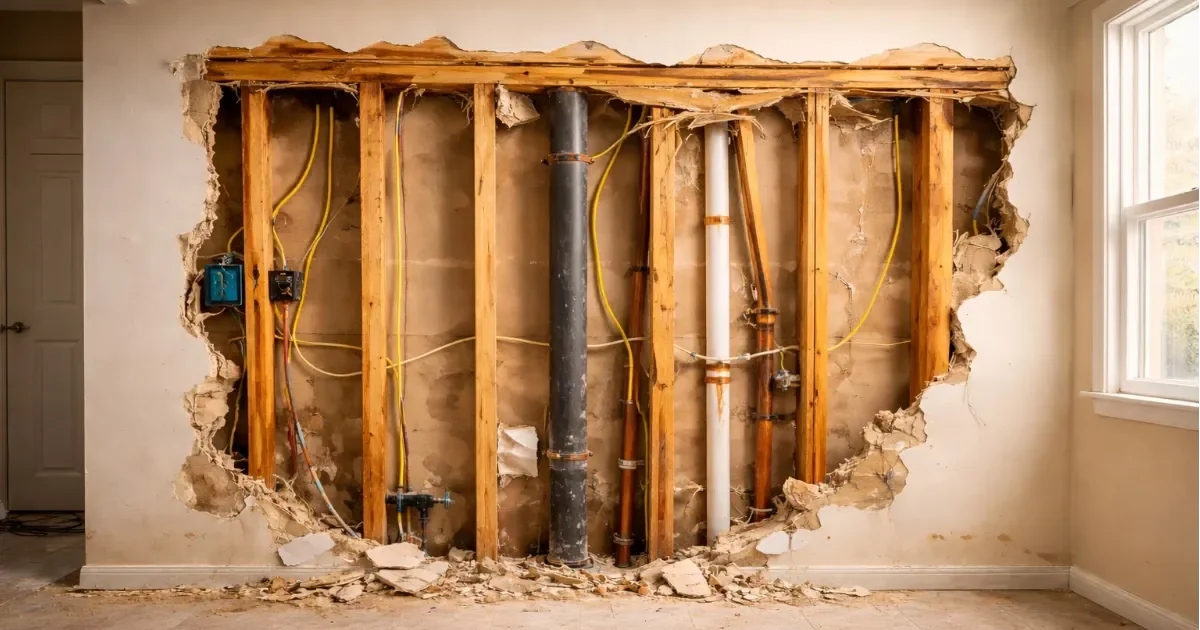
In my conversation with Sara Cunningham in Episode 2, Part 2 of Love Without Asterisks, we talked about load-bearing walls using construction language because it’s the most honest way I know to describe what so many parents experience when faith, identity, and an LGBTQ+ loved one collide. In renovation, you don’t casually remove a wall because it is inconvenient. You stop, study it, ask what it supports, and ask what else is running through it. Because load-bearing walls are rarely simple.
They almost always carry more than weight. There’s electrical wiring threaded through them, powering whole sections of the house. There’s plumbing hidden inside, routing pressure you never see until something leaks. Pull the wrong section without understanding what’s there, and suddenly the lights go out, water spews, and the damage spreads far beyond the original cut.
That is what makes these walls so hard to address in real life.
For many Christian parents of LGBTQ+ children, the wall isn’t just a theological position.
It’s connected to family systems, church belonging, social access, reputation, and fear of being cast out of a world that once felt safe. Scripture interpretations run through it. Political identity and generational expectations are wired deep inside it, along with voices from pastors, parents, and youth leaders still carrying current decades later.
So when a child or someone comes out, the wall doesn’t just feel inconvenient. It feels dangerous to touch.
This is where harm often enters quietly. Not through cruelty, but through delay. Through silence.
Through well-intended caution that asks the child to wait while the parent “figures it out.” The wall stays intact, and the relationship absorbs the pressure instead. Over time, the child learns that belonging is conditional, proximity is risky, and honesty comes with consequences rather than the safety of affirming, unconditional love.
What struck me in Sara’s story is that the breakthrough didn't come from having every answer. It came from stepping into curiosity and action anyway. From realizing that love didn’t require the wall to be solved before it could be lived.
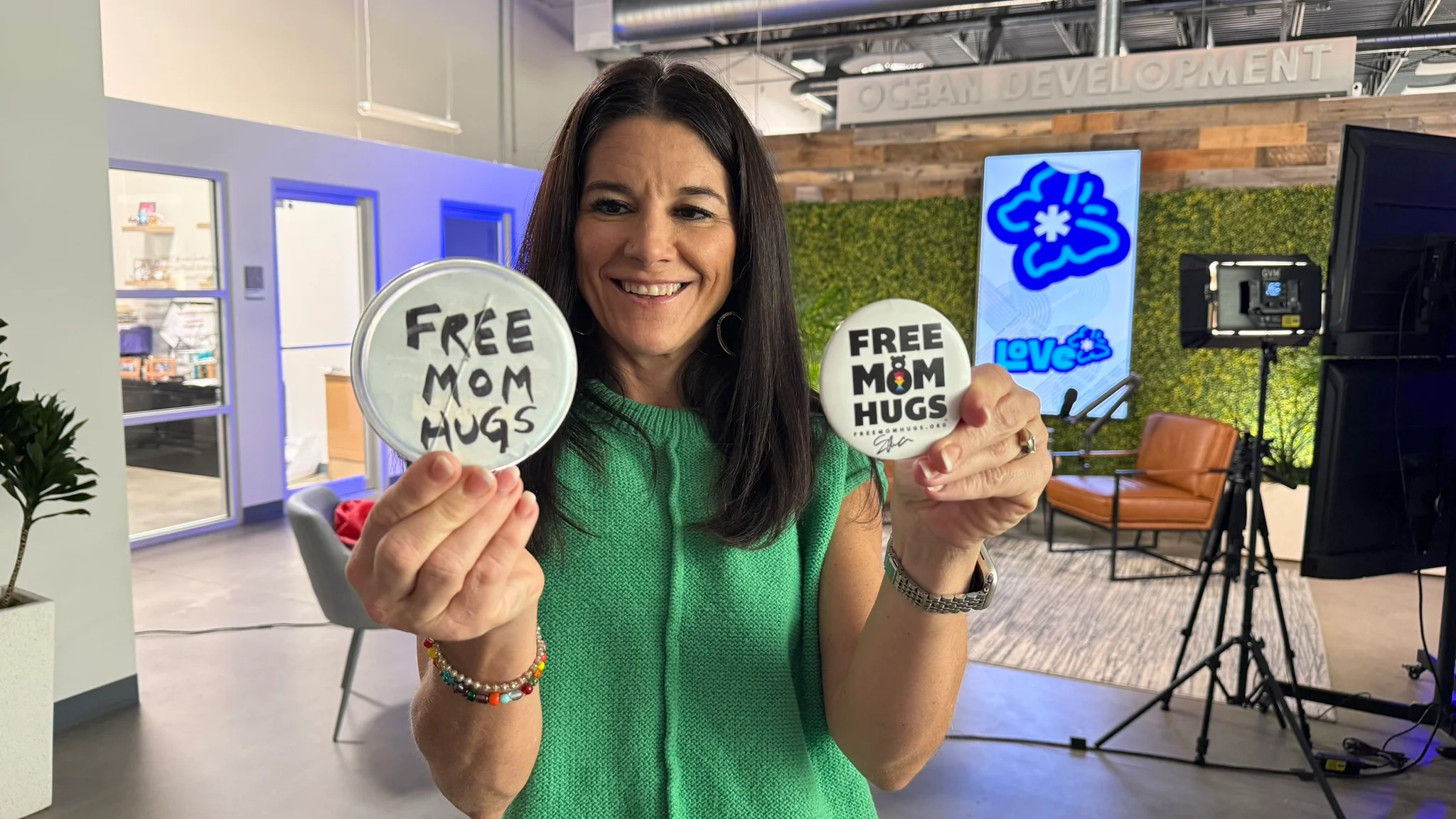
That moment of Sara’s at Pride, which would later become the beginning of Free Mom Hugs, wasn’t demolition.
It was the first inspection.
Renovation language matters here.
Because the goal isn’t to tear the house down. It’s to stop letting one wall do harm simply because no one ever taught us how to examine it safely. Renovation honors the fact that some parts of the structure mattered while admitting that others are failing, leaking, overloaded, or misused.
And sometimes, when you finally open the wall, you discover damage that predates the current conflict: rotten framing, unsafe wiring, aging pipes that can no longer hold pressure or flow. Issues that have long been there, just hidden behind drywall and certainty.
That discovery can feel overwhelming. But it’s also where real repair begins.
And this is where Sara’s story becomes more than metaphor.
Because the most important thing she did that day wasn’t removing a wall. She didn’t finish the renovation. She didn’t resolve every wire, pipe, or pressure point running through it.
She stepped around it.
She offered a hug.
That hug didn’t collapse her faith. It didn’t short-circuit her beliefs or flood the house with chaos. It did something quieter and more powerful.
It relieved pressure. It created space. It allowed love to move through the structure without waiting for every question to be answered first.
In construction terms, a hug is a temporary brace. A short-term support beam. It holds what matters while deeper work unfolds behind it. It keeps the house standing while you learn what can change and what must be reinforced. It says, You are safe here, even while we figure the rest out.
That’s the invitation Sara modeled so clearly through Free Mom Hugs and a life committed to affirming, unconditional love.
You don’t have to resolve every load-bearing wall before you choose your child. Sometimes the bravest thing you can do is place your hands on what matters most and let love carry weight for a while.
Because when a child feels held, the house does not fall.
🎧 Watch Episode 2, Part 2 | The Redemption: From Heartbreak To A Global Embrace 🎙️ Listen wherever you get your podcasts 🌐 Learn more about Free Mom Hugs